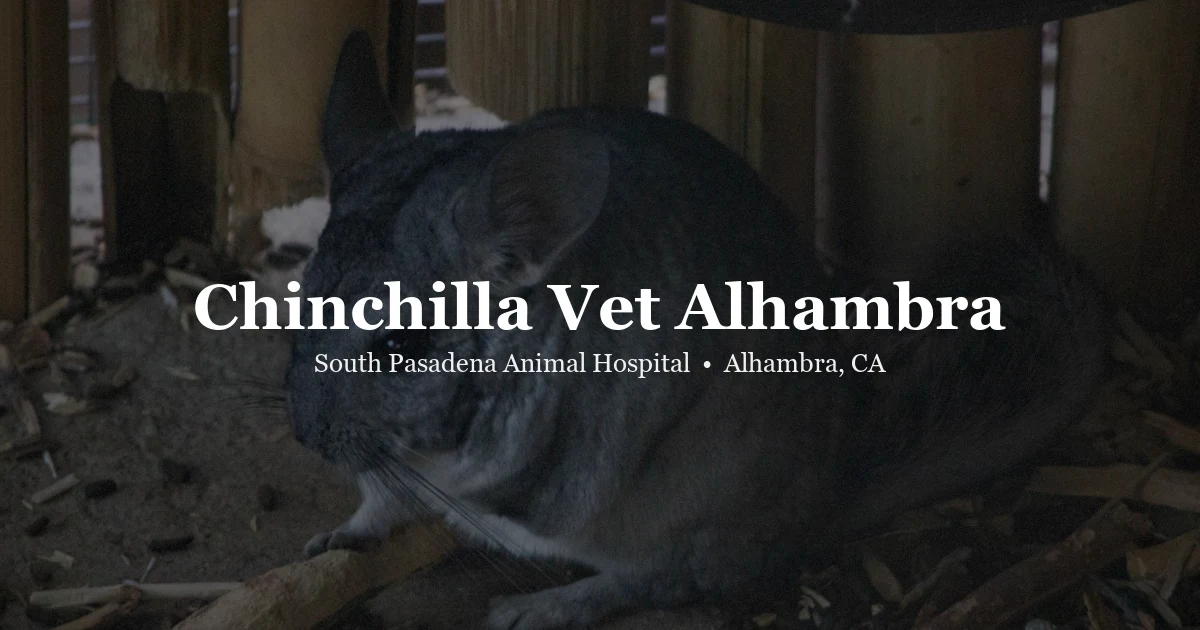
Chinchillas come from the cold, dry Andes — and Southern California is neither. That dense fur means they overheat dangerously fast, which is one of the first things we talk through with a new chinchilla owner. We see them regularly for the things that actually go wrong: dental disease, GI trouble, fur slip, respiratory infections. They're uncommon enough that a lot of clinics won't take them, which is exactly why we do.
We understand chin physiology: their continuously growing teeth, their sensitivity to heat and stress, and the specific antibiotics that are safe vs. dangerous for this species.
Dental disease (malocclusion) is the most common serious health issue in chinchillas. We diagnose and manage dental problems that affect eating and quality of life.
X-rays are essential for assessing chinchilla dental roots and GI issues. We do these on-site.

Physical assessment including weight, teeth, coat condition, eyes, heart and lungs, and abdominal palpation. Includes husbandry review.
Assessment and management of malocclusion and elodontoma using X-rays and dental examination under sedation when needed.
Chinchillas can develop GI slowdown similar to rabbits. We assess, treat, and advise on diet and husbandry to prevent recurrence.
Diagnosis and treatment of upper respiratory infections, which require chinchilla-appropriate antibiotics.
Assessment and treatment of fur ring (which can injure male chinchillas), fur slip, and ringworm (highly contagious to humans).
Chinchillas are extremely sensitive to heat above 75°F. We assess for heat stroke and advise on safe housing environments in the Southern California climate.
Visit us at 3116 W Main St in Alhambra, just west of the Fremont Avenue intersection. Easy street parking is available right out front.
Monday – Friday: 8:00 AM – 1:00 PM & 2:00 PM – 6:00 PM
Saturday – Sunday: Closed
Closed for lunch 1–2 PM everyday.
Yes — chinchillas are a species we see regularly at 3116 W Main St in Alhambra, minutes from Pasadena and South Pasadena. They're uncommon enough that many clinics won't take them, and their dental anatomy in particular needs someone who looks at it often. Call (626) 441-1314 and we'll get you booked.
Our exam fees are listed on the pricing page upfront. What a visit costs beyond that depends on the reason — a routine dental and weight check differs from imaging for molar spurs. We'll always talk cost through with you first.
Once a year for healthy adult chinchillas. Chinchillas with dental disease or a history of GI issues should be seen every 6 months. Because chinchillas hide illness well, we recommend not waiting until something looks very wrong.
Yes. A chinchilla that stops eating is a medical urgency. It’s often a sign of dental disease, GI stasis, or pain. Don’t wait more than 12–24 hours before calling us. Chinchillas can deteriorate rapidly when they stop eating.
Fur slip is a defense mechanism where a chinchilla releases a patch of fur when stressed or grabbed. The fur grows back, but it’s a sign the chinchilla was very stressed. Frequent fur slip can indicate chronic stress in the animal’s environment.
Like guinea pigs and rabbits, chinchillas have a sensitive gut microbiome. Antibiotics like amoxicillin, ampicillin, and penicillin can disrupt beneficial gut bacteria, causing fatal GI dysbiosis. Our vets only use chinchilla-safe antibiotics.
Possibly. Chinchillas have open-rooted teeth that grow throughout their lives. Visible incisor overgrowth can indicate malocclusion, but the real problem is often the molars (which you can’t see without equipment). Drooling, wet chin, weight loss, and difficulty eating are signs of dental disease requiring evaluation.
Schedule your chinchilla’s appointment online in under a minute, or give us a call and our team will find a time that works for you.
If you are searching for a chinchilla vet in Alhambra or the San Gabriel Valley, South Pasadena Animal Hospital is here to help. Located at 3116 West Main Street in Alhambra, our clinic regularly sees chinchillas for wellness exams, illness treatment, and preventive care. Many general veterinary practices rarely treat chinchillas — our veterinarians are comfortable with chinchilla medicine and understand how to approach this species safely.
Dental disease is the leading long-term health concern we manage in chinchillas. because chinchilla molars are not visible without the right equipment, many owners don’t recognize dental problems until they become severe. We use X-rays and oral exams under sedation when necessary to accurately assess dental health. Early intervention gives chinchillas the best chance at maintaining quality of life.
We also pay close attention to antibiotic safety in chinchillas. This species shares the same gut microbiome sensitivity as guinea pigs and rabbits, meaning common antibiotics can be fatal if the wrong choice is made. Our vets are well-versed in which medications are appropriate for chinchillas and never prescribe drugs that put them at risk.
Chinchilla owners come to SPAH from across the region, including Pasadena, South Pasadena, San Gabriel, Monterey Park, Temple City, and Rosemead. If your chinchilla needs a checkup or is showing signs of illness, contact us to schedule an appointment.