May 5, 2026 · 6 min read
How Long Do Bearded Dragons Live? Lifespan & Care Factors
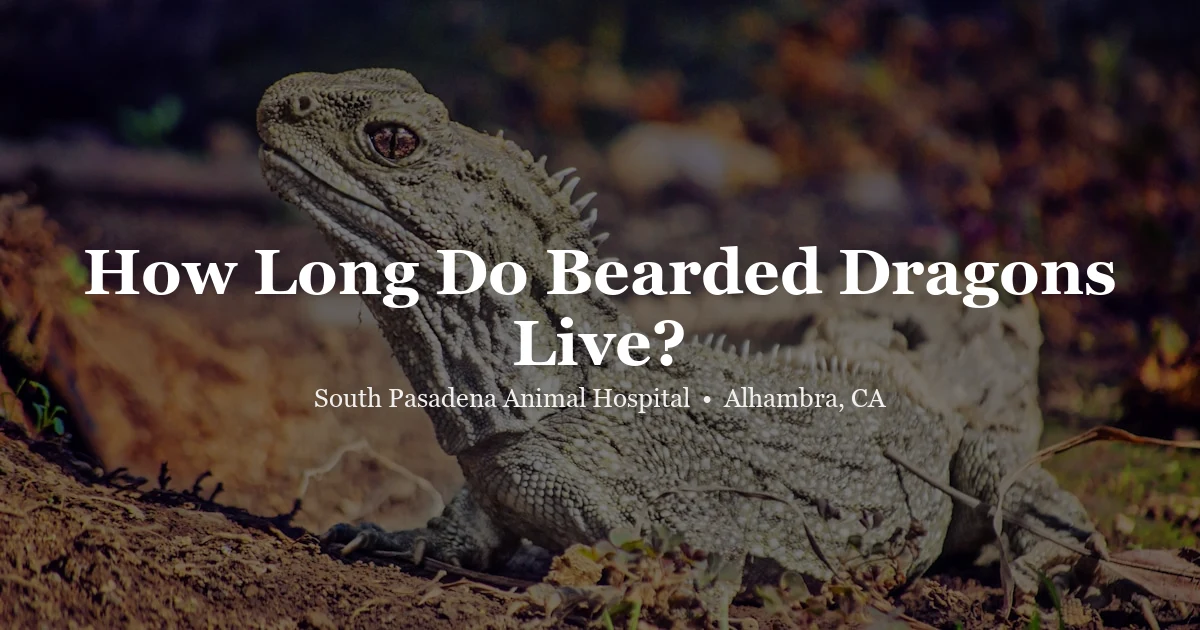
Bearded dragons are one of the most popular pet lizards in the United States, known for their calm temperament and relative adaptability to captive life. If you're a current or prospective owner, understanding what to expect in terms of lifespan — and what actually determines it — will help you plan for a rewarding, long-term relationship with your animal.
How Long Do Bearded Dragons Live?
With proper care, most captive bearded dragons live 10 to 15 years. Some individuals reach 12–14 years; those with excellent genetics and husbandry occasionally live into the mid-teens. Wild bearded dragons in their native Australia generally live shorter lives due to predation and harsh environmental conditions.
The gap between "average" and "maximum" lifespan often comes down to husbandry quality. A bearded dragon in a well-maintained enclosure with appropriate lighting, temperatures, and diet lives dramatically longer than one kept in suboptimal conditions. The care decisions you make in the first year of ownership have real consequences 10 years later.
Factors That Significantly Affect Lifespan
Lighting and UVB
This is arguably the most important factor. Bearded dragons are native to arid, sun-intense environments in Australia. They rely on exposure to UVB radiation to synthesize vitamin D3, which is essential for calcium metabolism. Without adequate UVB:
- Metabolic bone disease (MBD) develops — bones become soft and deformed
- Muscle function deteriorates, leading to weakness and paralysis
- The immune system is compromised
- Overall lifespan is dramatically shortened
High-output UVB bulbs (T5 fluorescent, 10.0 or 12% UVB) should be on 10–12 hours per day and replaced every 6 months. The bulb must be positioned at the correct distance from the basking spot — typically 10–12 inches for T5 HO bulbs, though this varies by brand. Check manufacturer guidelines. A UVB meter, while an added expense, removes all guesswork.
Temperatures
Bearded dragons are ectotherms that require a thermal gradient to regulate their body temperature and digest food. The basking spot should reach 100–110°F; the cool side should be 80–85°F; overnight temperatures should not fall below 65°F. Consistent correct temperatures throughout a dragon's life contribute meaningfully to longevity. Chronic cold stress suppresses the immune system and is a significant factor in early death.
Diet
A balanced diet that changes appropriately as the dragon matures is critical:
- Juveniles (0–12 months): 60–70% insects, 30–40% vegetables. High-protein intake supports rapid growth. Feed insects 2–3 times daily; dust with calcium 5 days per week and with a multivitamin 2 days per week.
- Adults (12+ months): Flip the ratio — 70–80% vegetables, 20–30% insects. Excessive protein in adults is linked to kidney problems. Feed insects 3–4 times weekly; greens should be available daily.
Best vegetable choices: collard greens, mustard greens, dandelion greens, arugula, butternut squash, and acorn squash. Avoid spinach (binds calcium), avocado, and rhubarb (toxic). Iceberg lettuce provides minimal nutrition and should be avoided as a staple.
Enclosure Size and Enrichment
Adult bearded dragons (typically 18–24 inches long) should be housed in enclosures of at least 120 gallons (48" x 24" x 24" minimum). Smaller enclosures cause chronic stress, prevent proper thermoregulation, and reduce exercise — all of which shorten lifespan. Enrichment in the form of climbing structures, hides for both the warm and cool sides, and occasional supervised out-of-enclosure time also support overall wellbeing.
Veterinary Care
Annual wellness exams allow early detection of the problems that most often shorten bearded dragon lives: parasites (which can be present without obvious symptoms), early-stage MBD, vitamin deficiencies, and organ health changes. Senior dragons (7+ years) benefit from semi-annual exams. We see bearded dragons at our Alhambra clinic; check our pricing page for exam information.
Health Problems That Shorten Lifespan
These are the conditions we see most often in bearded dragons that reduce lifespan:
- Metabolic bone disease (MBD). Preventable with adequate UVB and calcium supplementation. Once advanced, it causes permanent deformity and reduced life quality.
- Internal parasites. Pinworms, coccidia, and Cryptosporidium are common. Crypto in particular is chronic, difficult to eliminate, and associated with poor long-term outcomes.
- Adenovirus (Atadenovirus). A viral infection that can cause neurological signs, chronic poor health, and shortened lifespan. No cure exists, but well-cared-for affected dragons can still live several years.
- Impaction. Ingested loose substrate (sand, fine gravel) can cause life-threatening intestinal blockage. Tile, slate, or reptile carpet eliminate this risk; if using particulate substrate, ensure insects are fed in a shallow dish rather than loose in the enclosure.
- Egg-binding (dystocia) in females. Females can develop infertile eggs without a male present. If they cannot lay eggs due to inadequate nesting substrate, they can become egg-bound — a serious, potentially fatal condition requiring veterinary intervention.
- Renal (kidney) disease. More common in older animals, particularly those fed high-protein diets long-term. Signs include lethargy, swelling, and loss of appetite.
Signs of a Healthy vs. Aging Bearded Dragon
A healthy bearded dragon has clear, bright eyes, a firm and well-muscled body, regular basking behavior, consistent appetite, and normal stools. The color should be vibrant when the dragon is warm and active.
As bearded dragons age (typically 7+ years), you may notice:
- More extended brumation periods
- Reduced appetite (especially for insects)
- Slower movement and less climbing activity
- Slight muscle loss over the back and hips
- Possible development of lipoma (fatty deposits) along the sides
These changes can be normal aging, but they can also signal the early stages of treatable conditions. When in doubt, a vet check is always the right call.
Frequently Asked Questions
How long do bearded dragons live?
Most captive bearded dragons live 10–15 years with proper care. Lifespan depends heavily on UVB lighting quality, temperature management, diet, enclosure size, and access to veterinary care.
How old is the oldest bearded dragon?
The oldest reliably documented captive bearded dragon lived to approximately 18 years. Reaching 12–15 years is an excellent outcome for a well-cared-for dragon.
What do bearded dragons usually die from?
Most often: metabolic bone disease (from inadequate UVB/calcium), internal parasites, respiratory infections, adenovirus, egg-binding in females, impaction from loose substrate, and age-related organ failure.
At what age is a bearded dragon considered old?
Generally considered senior at 7–8 years. At this stage, more frequent vet visits (every 6 months) are recommended to catch age-related changes early.
How do I know if my bearded dragon is healthy?
Look for clear eyes, firm body condition, regular eating and defecation, and active basking behavior. Annual wellness exams at our Alhambra clinic are the best way to confirm health and catch problems early.