March 31, 2026 · 9 min read
What to Expect at Your Exotic Pet's First Vet Visit
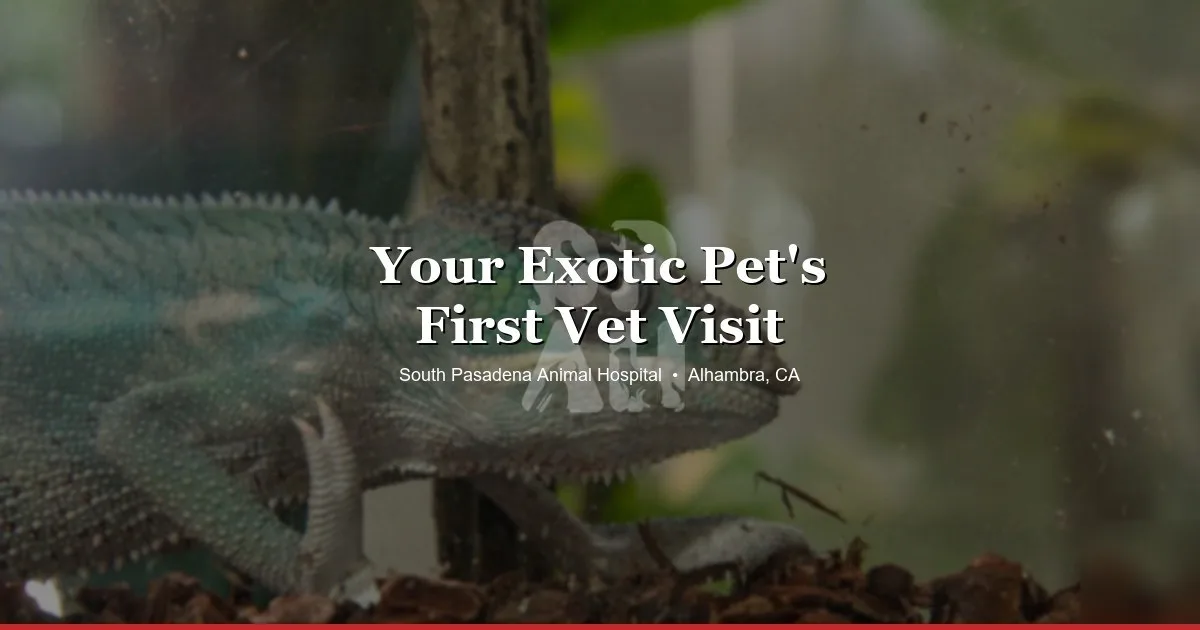
So you got a new exotic pet — maybe a bearded dragon, a guinea pig, a parrot, or a rabbit — and you're wondering if you actually need to take them to a vet. They look fine, they're eating, everything seems good. We hear this all the time.
Here's the thing: exotic animals are incredibly good at looking fine when they're not. A lot of the reptiles and small mammals we see from pet stores show up with parasites, early respiratory infections, or nutritional issues that aren't visible from the outside. Getting a wellness exam in the first week or two catches that stuff before it becomes a real problem — and it gives us a baseline so we know what "healthy" looks like for your specific pet.
Why Bother If They Look Healthy?
Fair question. Parasites turn up constantly, especially in pet store animals, and a fecal test catches them before any symptom shows. Husbandry issues come up just as often — wrong UVB bulb, basking temps off, a diet headed for trouble down the road — and we'd rather flag that now than see your pet sick in three months over something easy to fix. We also get a baseline weight and body condition, which matters more than people expect; if your pet gets sick later, knowing their healthy weight tells us a lot. And early nutritional problems — vitamin deficiencies, calcium issues, all-seed diets in birds — build slowly with no obvious symptoms until they're advanced. Prevention is cheaper and easier than treatment, every time.
Finding the Right Vet
This is actually important and a lot of new exotic pet owners skip it. Not every vet clinic sees exotics. And honestly, a vet who mainly sees dogs and cats isn't always the best fit for your bearded dragon or parrot — different anatomy, different diseases, different medications.
Before you book somewhere, it's worth asking whether they see your species regularly — not "can you," but "do you" — whether they have diagnostic equipment built for exotic pets, and what an initial exam costs.
At SPAH, we see reptiles, birds, rabbits, guinea pigs, hamsters, and other small mammals regularly. It's a big part of what we do. You can check our pricing page before you come in so there are no surprises.
What to Bring
Bring your pet in a proper carrier — small mammals in a pet carrier with some hay, reptiles in a ventilated container with a warm towel in cooler weather, birds in a small travel cage. Don't just carry them in loose. A fresh poop sample, if you can get one within 24 hours, saves us time on parasite testing and saves you the wait during the visit. Photos of your setup — cage, lighting, substrate, food area — tell us more than you'd think, and we're going to ask about it anyway. Bring what you're feeding, brand names and frequency and supplements, any paperwork from the pet store or breeder, and your questions written down. There's no dumb question when you're new to exotic pets.
What We Actually Do (By Species)
The exam looks a little different depending on what you're bringing in:
Reptiles: bearded dragons, snakes, geckos, turtles
We do a full physical — eyes, mouth, skin, vent, body condition, shell check for turtles and tortoises — plus weight and length. A fecal test runs on almost every new reptile, since parasites from pet stores are that common. The husbandry deep-dive matters most: UVB type, basking temps, cool side temps, humidity, substrate, diet, because a huge share of reptile health problems trace straight back to setup. We'll also talk through calcium and vitamin D3 supplementation.
Birds: parrots, cockatiels, finches, budgies
The physical exam covers feather quality, beak condition, nares, eyes, and body weight, and we typically run a gram stain — a throat or vent swab to check bacterial and yeast balance. We'll trim wings and nails if needed, and the diet conversation comes up at almost every bird visit: if your bird's on seeds, we're going to recommend switching to pellets. Beak trims happen if it's overgrown.
Rabbits
The exam centers heavily on teeth, since dental disease is absurdly common in rabbits and causes problems well beyond the mouth. We run a fecal test for parasites and review diet — hay amount, greens, pellets — and we'll probably tell you to cut the pellets back, since most rabbit owners overfeed them. Nail trims happen too. We'll bring up spay/neuter, since unspayed females carry a very high rate of uterine cancer and this isn't optional in our view, and we'll talk through the RHDV2 vaccine given that the virus is active in California and serious.
Guinea pigs and small mammals
We check teeth, skin, ears, weight, and body condition, run a fecal test, and have the vitamin C conversation that comes up at every single guinea pig visit — they can't make their own, and a deficiency causes real problems. We'll also review cage setup and bedding, and talk through social needs, since guinea pigs genuinely do better in pairs.
Tests We Might Run
Not every pet needs every test. We recommend based on what we find on exam and what species you have. A fecal exam checking for parasites is the most common test we run on new exotic pets, period. Bloodwork — organ function, infection markers, nutritional status — comes up more for birds and whenever something seems off. A gram stain, mainly for birds, tells us about bacterial and yeast balance. And X-rays come in if we're concerned about bone density, organ size, or respiratory issues.
How often after the first visit?
Once a year for a wellness check, at minimum. Every six months once they're older. Any time something changes — appetite, droppings, behavior, weight, appearance. And before adding a new pet to a household with existing animals.
Getting there without stressing everyone out
Transport is honestly the part most people don't think about enough. Cover the carrier, since a dark carrier is a calmer carrier for most species. Watch the temperature closely, especially for reptiles — a SoCal car can hit 100-plus degrees inside if you don't pre-cool it, and winter cold is just as dangerous unwrapped. Skip feeding birds 1 to 2 hours before the visit, since stress can cause regurgitation. Bring a towel or fleece for small mammals to burrow into. And stay calm yourself — they pick up on your energy more than you'd think.
That first vet visit sets the tone for everything that comes after. It's how we catch the stuff you can't see, fix the setup issues before they cause problems, and give you a plan that actually works for your specific pet. At South Pasadena Animal Hospital in Alhambra, we see exotic pets every day and we're happy to walk you through everything — especially if it's your first time. See what we offer.