May 5, 2026 · 6 min read
How Long Do Guinea Pigs Live? Lifespan & How to Help Them Live Longer
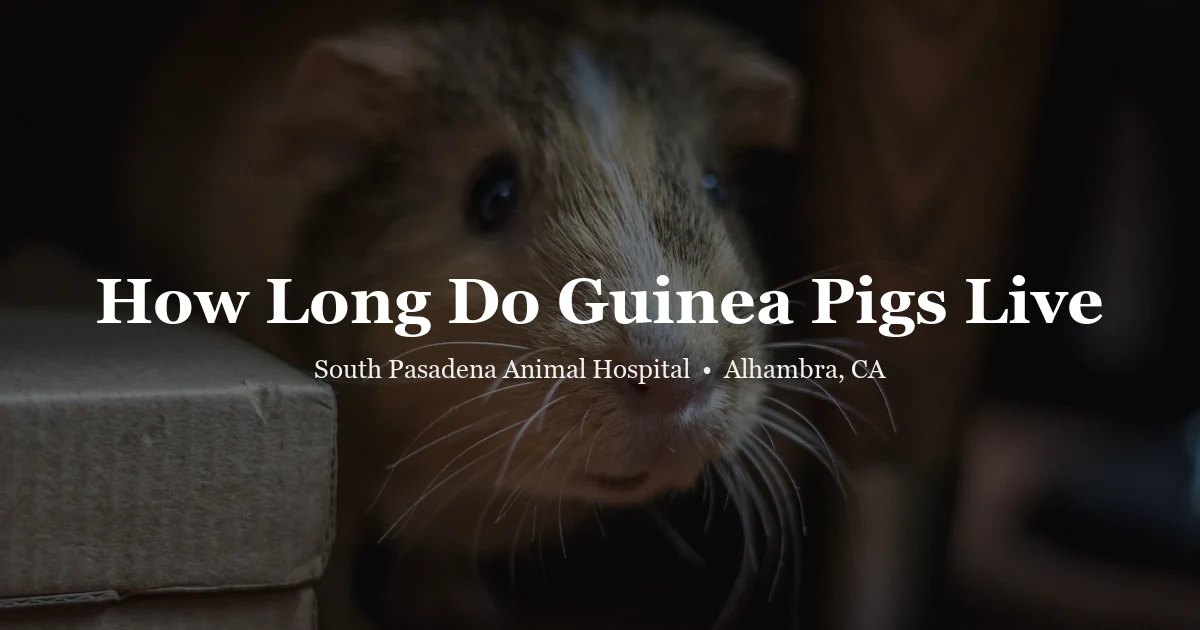
If you're thinking about getting a guinea pig — or you've recently brought one home — understanding their lifespan is important for setting realistic expectations and planning for their care. Guinea pigs live longer than most people expect, and the decisions you make in the first few months can meaningfully affect how long and how well they live.
How Long Do Guinea Pigs Live?
Most pet guinea pigs live 4 to 7 years, with 5 to 6 years being the most common range for well-cared-for animals. Some individuals reach 8 years, which is considered a long life for the species. It's unusual but not impossible.
Wild guinea pigs (native to South America) tend to live shorter lives due to predation, disease, and harsh conditions — typically 1 to 4 years. Pet guinea pigs, protected from predators and with access to consistent food and veterinary care, have significantly better odds.
Their lifespan sits between small rodents like hamsters (2–3 years) and small rabbits (8–12 years). This makes guinea pigs a meaningful commitment — not a "starter pet" that lasts a year or two, but a real relationship that many families maintain for half a decade or longer.
What Affects a Guinea Pig's Lifespan?
Several factors directly influence how long a guinea pig lives:
Diet is the single biggest lever owners have
Ask us what we'd fix first in a struggling guinea pig's care, and it's almost always hay. Timothy, orchard grass, or meadow hay should be available constantly and make up 70 to 80% of the diet — it wears teeth down properly, which is the difference between healthy teeth and the dental disease that kills more guinea pigs than anything else. We trace an enormous number of the health problems we see back to insufficient hay. The other non-negotiable is daily vitamin C — guinea pigs can't make their own, the same as us. Skip it and they develop scurvy: rough coat, lethargy, swollen joints, reluctance to walk, dental trouble, and a guinea pig that's already struggling can decline fast once vitamin C deficiency sets in. Bell peppers are the richest source; parsley, kale, and romaine help too. Fresh vegetables daily provide vitamin C along with variety and enrichment. Good options: red and yellow bell pepper, romaine lettuce, cilantro, parsley, and dandelion greens. Limit high-sugar fruits and avoid iceberg lettuce (minimal nutrition) and foods in the onion family (toxic to guinea pigs).
Social Environment
Guinea pigs are highly social animals that evolved to live in groups. A guinea pig kept alone without social interaction is a stressed guinea pig — and chronic stress is a real health risk. Isolated guinea pigs often live shorter, less healthy lives than those with companions.
Most guinea pig welfare organizations recommend keeping guinea pigs in pairs or small groups. Same-sex pairs work well with proper introductions (two males can coexist peacefully if neutered or introduced as juveniles; two females generally pair easily). If you have a single guinea pig, we'd encourage you to consider a companion — it genuinely makes a difference in quality of life.
Enclosure Size and Enrichment
Guinea pigs need room to move. The minimum recommended cage size for a single guinea pig is around 7.5 square feet; for two, 10.5 square feet or larger. Small commercial pet store cages marketed for guinea pigs often fall well short of these minimums. A guinea pig confined to a tiny cage, unable to run, explore, or exhibit normal behaviors, will have a reduced quality of life and is more prone to obesity, boredom-related stress, and associated health issues.
Veterinary Care
Regular wellness exams make a measurable difference in lifespan. Guinea pigs are prey animals that hide illness well — by the time they're visibly sick, problems are often already advanced. Annual exams allow us to catch dental problems before they cause weight loss, identify early signs of tumors or cysts, assess body condition, and address issues that owners might not notice.
We recommend annual exams for guinea pigs under 3–4 years and exams every 6 months for seniors. See our pricing page for exam costs.
Spay/Neuter Status
Unspayed female guinea pigs have a significantly elevated risk of ovarian cysts (which are extremely common — some studies suggest the majority of intact females develop them by middle age) and uterine cancer. Ovarian cysts cause hormonal changes, hair loss along the flanks, pain, and infertility. Spaying eliminates this risk. The procedure does carry anesthetic risk, and the decision should be discussed with your vet based on the individual animal's health.
Genetics
Like all animals, individual guinea pigs vary in their genetic predispositions to illness. Animals from responsible breeders who screen for known issues may have better long-term health prospects than those from high-volume commercial breeding operations, though this is difficult to control for most pet owners.
Common Health Problems That Shorten Guinea Pig Lifespans
Dental disease — malocclusion — is the number-one cause of death we see in guinea pigs under five, and it's almost entirely preventable with adequate hay; once teeth overgrow or shift out of alignment, eating becomes painful and a guinea pig can starve without veterinary dental care. Respiratory infections move fast in this species — labored breathing, nasal discharge, lethargy, and appetite loss can progress to pneumonia within days. Bladder sludge and stones show up often too, usually tied to diet; high-oxalate foods like spinach and calcium-heavy pellets make it worse. Ovarian cysts and uterine cancer hit unspayed females particularly hard — weight loss, a distended belly, hormonal shifts, and without treatment, death. Heart disease tends to creep up quietly in guinea pigs past five, starting with reduced activity and subtle weight loss before anything dramatic happens. And vitamin C deficiency, scurvy, is one of the few causes on this list that's entirely preventable with daily vegetables, yet we still see it.
Signs Your Guinea Pig Is Aging
Guinea pigs are considered senior around 4 to 5 years. What we tend to notice first is slower movement and less enthusiasm for running, gradual weight loss, a duller or patchier coat, less interest in food — which is often early dental disease or pain rather than pickiness — quieter vocalizing, and more time spent resting. Senior guinea pigs benefit from softer foods alongside their hay, more frequent vet visits, and careful monitoring of weight (weigh weekly and note trends). A gram scale is an inexpensive but genuinely useful tool for catching weight loss early in any small animal.
Frequently Asked Questions
How long do guinea pigs live?
Most live 4–7 years with good care. Some reach 8 years. Lifespan depends heavily on diet (especially hay and vitamin C), housing, companionship, and access to veterinary care.
What is the oldest a guinea pig can live?
The Guinness World Record for oldest guinea pig is over 14 years, though this is extraordinarily exceptional. Most well-cared-for guinea pigs live 5–7 years. Reaching 8 years reflects excellent care and favorable genetics.
What do guinea pigs usually die from?
The most common causes include dental disease (leading to inability to eat), respiratory infections, urinary problems (bladder stones), heart disease in older animals, cancer (especially ovarian cysts and uterine tumors in unspayed females), and GI stasis.
How can I help my guinea pig live longer?
Unlimited grass hay is the single most important factor. Add a guinea pig companion for social health, provide daily vitamin C through fresh vegetables, ensure a spacious and clean enclosure, and schedule annual (or semi-annual for seniors) veterinary wellness exams. Spaying females removes a major cancer risk.
At what age is a guinea pig considered old?
Guinea pigs are generally considered senior at 4–5 years. At this stage, they become more prone to dental problems, heart disease, arthritis, and cancer. We recommend exams every 6 months for senior guinea pigs at our Alhambra clinic.