Do Rabbits Need Annual Vet Visits?
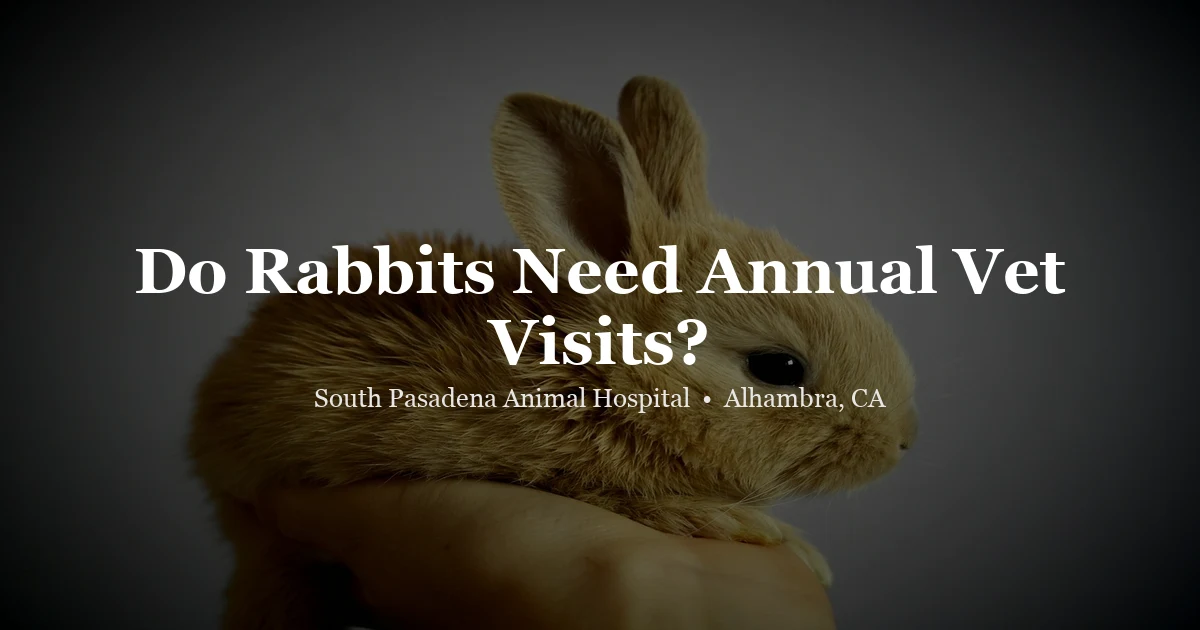
One of the most common things we hear from new rabbit owners is: "I didn't know rabbits needed to see a vet." Unlike dogs and cats, rabbits don't have required vaccines in the US, so there's no built-in trigger that reminds owners to schedule an annual exam. But that doesn't mean rabbits should skip regular veterinary care — in fact, the opposite is true.
Rabbits are prey animals. In the wild, showing weakness gets you eaten. That instinct doesn't disappear in domesticated rabbits — they're remarkably good at hiding discomfort and illness until they're significantly unwell. By the time a rabbit is obviously sick, the problem is often well established and harder to treat. Regular wellness exams give us the chance to catch things early, before they become emergencies.
How Often Should a Rabbit See a Vet?
As a general guideline:
- Under 5 years: Once per year is a reasonable baseline for a healthy rabbit on a good diet.
- 5 years and older: Twice-yearly exams are worth considering. Rabbits age faster than dogs or cats, and many age-related conditions — dental disease, kidney changes, GI issues — benefit from earlier detection.
- Any age, new rabbit: A first wellness exam within the first few weeks of bringing a rabbit home establishes a baseline and lets your vet address any issues before they worsen.
Important: If your rabbit stops eating, produces fewer droppings than usual, or seems hunched or lethargic — even for just a few hours — contact a vet promptly. These can be early signs of GI stasis, which requires same-day attention.
What Happens at a Rabbit Wellness Exam?
A rabbit wellness visit looks different from a dog or cat exam. Here's what we typically check:
Dental Assessment
Rabbit teeth grow continuously throughout their life. Molars and premolars in the back of the mouth are especially prone to developing sharp spurs that cut into the tongue and cheeks. This can happen without any obvious signs until the rabbit stops eating. We check both the incisors (front teeth) and the back teeth at every exam. X-rays may be recommended if we have concerns about root structure or abscesses.
Weight and Body Condition
Even a small weight loss in a rabbit can be significant. We weigh every rabbit at every visit and track changes over time. A rabbit that has quietly lost 5–10% of their body weight may look the same to an owner but shows up clearly on the scale.
Gut Sounds
A healthy rabbit has continuous gut sounds — the GI tract is constantly moving. Quiet or absent gut sounds can signal early GI slowdown before outward symptoms appear.
Eyes, Ears, and Coat
We check for early signs of ear infection, dental-related eye discharge, skin parasites, and coat quality. Rabbit fur quality often reflects nutritional status and overall health.
Husbandry Review
A lot of rabbit health problems are rooted in diet and environment. We take time at each visit to review what your rabbit is eating, how much hay they're getting, and whether there are any housing or social concerns. Unlimited grass hay (timothy, orchard, or oat) should make up the majority of a rabbit's diet — this is the single most important factor in their dental and GI health.
Should You Spay or Neuter Your Rabbit?
We recommend spaying female rabbits. Unspayed females have a high lifetime risk of developing uterine cancer — this is one of the most common health conditions in intact female rabbits and one of the most preventable. Spaying removes this risk — the uterus is removed, and with it the source of the cancer.
For male rabbits, neutering reduces territorial behaviors like spraying, circling, and mounting, and makes bonding with other rabbits significantly smoother. We typically recommend the procedure around 4–6 months of age, though older rabbits can also be safely spayed or neutered with a pre-surgical bloodwork assessment.
What to Watch for Between Visits
In addition to annual exams, rabbit owners should monitor daily for:
- Normal fecal output — quantity, size, and shape
- Normal eating and drinking
- Active, alert behavior (not hunched or grinding teeth)
- Clean bottom — soft cecotropes stuck to the fur can indicate dietary or dental issues
- Normal breathing — never labored or open-mouthed
Rabbits that go off food for more than 12 hours, or produce significantly fewer droppings than usual, should be seen the same day if possible. GI stasis can escalate quickly and is one of the leading causes of preventable rabbit deaths.
Finding a Rabbit-Savvy Vet in the SGV
Not all veterinary clinics see rabbits, and fewer still have regular experience with them. At South Pasadena Animal Hospital, rabbits and small exotic mammals are a regular part of our practice. Dr. Gina Navia has particular interest in exotic and small mammal care, and our team is accustomed to the quieter presentation and specific health needs of rabbits.
We're located at 3116 W Main St in Alhambra, serving rabbit owners throughout the San Gabriel Valley including Pasadena, South Pasadena, San Marino, San Gabriel, and surrounding cities. To schedule your rabbit's wellness exam, book an appointment online or call us at (626) 441-1314.
Also see our rabbit vet Alhambra page for more about our rabbit services, or our rabbit GI stasis guide if you're concerned your rabbit may be experiencing a GI slowdown right now.